
Batting pads are protective cricket equipment worn on the legs to shield batsmen from fast balls. They absorb impact, prevent injuries, and provide comfort while allowing free movement during batting.
Cricket may look elegant, but it can be physically demanding especially for batsmen facing fast bowlers. That’s where batting pads come in. They’re not just accessories; they’re essential safety gear that protects your legs from serious injury.
Whether you’re a beginner stepping onto the pitch for the first time or a seasoned player upgrading your gear, understanding batting pads can make a huge difference in your performance and safety. From materials and design to sizing and comfort, every detail matters.
Let’s break it all down in a simple, practical way.
What Are Batting Pads?
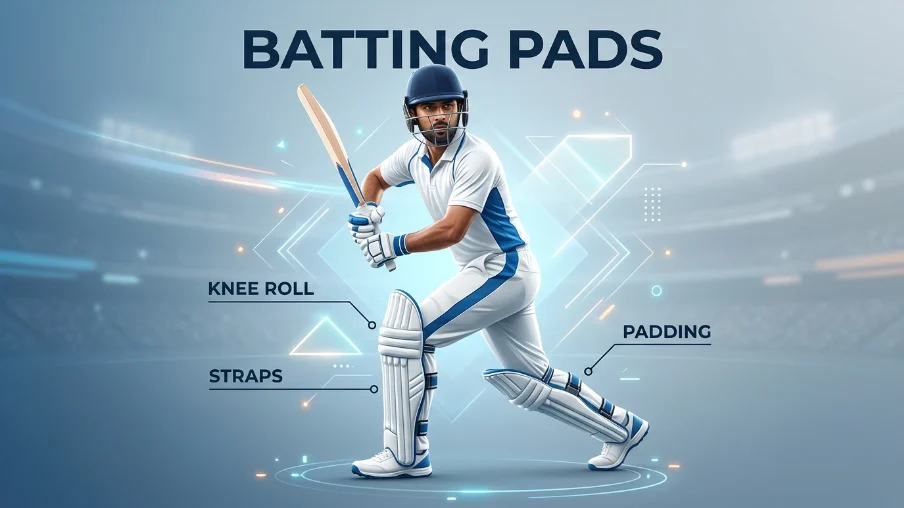
Batting pads, also known as leg guards, are protective gear worn by batsmen to cover the front of their legs—from the knee down to the ankle.
Key Purpose
- Protect against high-speed cricket balls
- Reduce injury risk
- Improve confidence while batting
Why Batting Pads Are Important
Facing a cricket ball traveling at over 140 km/h isn’t something you take lightly.
Main Benefits
- Impact Protection: Absorbs shock from fast deliveries
- Confidence Boost: Helps batsmen play freely
- Injury Prevention: Protects shin bones and knees
- Comfort: Allows longer batting sessions
“Good protection leads to better performance—confidence starts with safety.”
Anatomy of Batting Pads
Understanding the structure helps you choose better.
Main Components
| Component | Function |
| Knee Roll | Protects knee joint |
| Vertical Bolsters | Absorb ball impact |
| Outer Shell | Hard protection layer |
| Straps | Secure fitting |
| Inner Padding | Comfort and cushioning |
Types of Batting Pads
Not all batting pads are the same. Different players need different features.
1. Traditional Batting Pads
- Heavier
- More durable
- Better for professional players
2. Lightweight Batting Pads
- Easy movement
- Ideal for beginners
- Less fatigue
3. Hybrid Pads
- Balance of weight and protection
- Suitable for all-round use
4. Ambidextrous Pads
- Can be used for both legs
- Budget-friendly option
Materials Used in Batting Pads
The quality of materials directly affects performance.
Common Materials
- PVC (Polyvinyl Chloride): Durable outer layer
- Foam Padding: Shock absorption
- Cane Rods: Traditional strength and rigidity
- Microfiber: Lightweight and breathable
Batting Pads Size Guide
Choosing the right size is critical.
Size Chart
| Player Type | Height Range | Pad Size |
| Junior | Under 4’6″ | Small |
| Youth | 4’6″ – 5’2″ | Medium |
| Adult | 5’2″ – 6′ | Large |
| Tall Players | Above 6′ | XL |
How to Measure
- Measure from knee center to ankle
- Ensure full coverage without restriction
How to Choose the Best Batting Pads
Buying batting pads isn’t just about brand or price.
Key Factors
1. Protection Level
If you face fast bowlers, go for high-density padding.
2. Weight
Lightweight pads improve movement and reduce fatigue.
3. Comfort
Look for breathable inner lining.
4. Fit
Pads should be snug but not tight.
5. Budget
| Budget Range | What You Get |
| $20–$50 | Basic protection |
| $50–$120 | Good quality + comfort |
| $120+ | Professional-grade pads |
How to Wear Batting Pads Correctly
Wearing pads the wrong way reduces protection.
Step-by-Step
- Place pad on front of leg
- Align knee roll with knee
- Wrap straps securely
- Ensure no loose movement
Common Mistakes to Avoid
- Choosing wrong size
- Ignoring weight factor
- Buying only based on brand
- Wearing pads too loose
- Not checking comfort
Batting Pads vs Wicketkeeping Pads
| Feature | Batting Pads | Wicketkeeping Pads |
| Thickness | Thick | Thin |
| Protection | High | Moderate |
| Mobility | Moderate | High |
| Purpose | Facing bowlers | Catching behind stumps |
Maintenance Tips
Good care increases lifespan.
Tips
- Clean after every match
- Keep dry to avoid odor
- Store in ventilated area
- Avoid direct sunlight
FAQs
1. What are batting pads made of?
Batting pads are made from materials like PVC, foam padding, and sometimes cane rods. These materials work together to absorb impact and provide strong protection while keeping the pads lightweight and comfortable.
2. Are batting pads necessary for beginners?
Yes, beginners should always wear batting pads. Even slower deliveries can cause injury, and pads help build confidence while learning proper batting techniques.
3. How do I know my batting pad size?
Measure the distance from your knee to your ankle. Match it with standard size charts to ensure proper coverage and comfort without restricting movement.
4. Can I use wicketkeeping pads for batting?
No, wicketkeeping pads are thinner and designed for mobility, not impact protection. Batting pads provide much stronger protection against fast balls.
5. What is the ideal weight for batting pads?
The ideal weight depends on your playing level. Beginners should prefer lightweight pads, while professionals may choose slightly heavier pads for better protection.
6. How long do batting pads last?
With proper care, batting pads can last 2–5 years. Frequent players may need to replace them sooner due to wear and tear.
7. Are expensive batting pads worth it?
Higher-priced pads usually offer better materials, comfort, and durability. For serious players, they are definitely worth the investment.
8. How tight should batting pads be?
Pads should be snug but not restrictive. They should stay in place during movement without cutting off circulation.
9. Do batting pads affect performance?
Yes, good pads improve confidence and comfort, allowing players to focus more on their batting rather than worrying about injury.
10. Can kids use adult batting pads?
No, kids should use properly sized pads. Oversized pads can affect movement and reduce protection effectiveness.
CONCLUSION
Batting pads are one of the most essential pieces of cricket equipment, offering protection, comfort, and confidence at the crease. Whether you’re just starting out or playing at a competitive level, choosing the right pads can significantly impact your game. From understanding materials and types to selecting the correct size and fit, every detail matters.
A well-chosen pair of batting pads not only reduces the risk of injury but also helps you play freely without hesitation. Investing in quality gear is always a smart move, especially in a sport where safety and performance go hand in hand. Take your time, assess your needs, and pick batting pads that match your playing style. The right choice today can elevate your game tomorrow.